

How to Fix Drywall Cracks, Holes & Wall Damage Like a Pro
Drywall is one of the most common materials used in modern homes, but it is also one of the easiest surfaces to damage. From small nail holes to large impact cracks or water damage, drywall issues can quickly make a home look old and poorly maintained.
This complete guide explains everything you need to know about drywall repair — including types of damage, step-by-step repair methods, costs, tools, and when to hire a professional.
Whether you’re a homeowner trying to understand repairs or someone planning to hire a contractor, this guide will give you complete clarity.
What is Drywall and Why Does It Get Damaged?
Drywall (also called sheetrock or gypsum board) is used to create interior walls and ceilings. It is made from a gypsum core wrapped in paper and is installed in large panels.
Although durable, drywall can be damaged by:
- Everyday wear and tear
- Furniture impact
- Water leaks
- House settling
- Improper installation
- Temperature and humidity changes
Over time, even small issues can grow into visible cracks or structural weaknesses.
Types of Drywall Damage
Understanding the type of damage is the first step in proper repair.
1. Small Holes and Nail Punctures
These are caused by:
- Hanging frames or TVs
- Furniture bumps
- Wall anchors removed incorrectly
✔ Easy to fix with spackle or patch compound
2. Medium to Large Holes
These usually happen due to:
- Accidental impact (doorknob, furniture)
- Plumbing or electrical work
- Heavy object damage
✔ Requires patching or drywall replacement
3. Drywall Cracks
Cracks often appear due to:
- House settling
- Structural movement
- Poor taping during installation
✔ Needs reinforcement with tape and joint compound
4. Water Damage
Caused by:
- Roof leaks
- Plumbing leaks
- Flooding or moisture buildup
✔ Often requires full section replacement
5. Seam and Joint Damage
This includes:
- Bubbling tape
- Visible seams
- Poor finishing work
✔ Requires re-taping and re-mudding
Step-by-Step Drywall Repair Methods
Now let’s break down how professionals repair different types of damage.
Small Hole Repair (Fast Fix)
Best for nail holes or tiny dents.
Steps:
- Clean the damaged area
- Apply spackle or lightweight joint compound
- Let it dry completely
- Sand smooth
- Paint to match wall
✔ Quick and inexpensive
✔ Ideal for DIY repairs
Medium Hole Repair (Patch Method)
Used for holes 2–6 inches wide.
Steps:
- Cut a clean square around the damage
- Install a drywall patch or backing support
- Apply joint compound
- Add drywall tape for strength
- Sand and repeat coating
- Paint surface
✔ Strong and long-lasting repair
Large Hole Repair (Drywall Replacement)
Used when damage is extensive.
Steps:
- Remove damaged drywall section
- Install new drywall piece
- Secure with screws into studs
- Tape all joints
- Apply multiple layers of mud
- Sand and finish texture
- Paint
✔ Restores wall to original condition
Crack Repair (Wall or Ceiling)
Steps:
- Widen crack slightly for better bonding
- Apply joint compound
- Add fiberglass or paper tape
- Apply second layer of compound
- Sand smooth
- Repaint
✔ Prevents cracks from returning
Water-Damaged Drywall Repair
Steps:
- Identify and fix water source first
- Remove all damaged drywall
- Check for mold or insulation damage
- Install new drywall sheet
- Tape, mud, and finish
- Apply primer before painting
⚠ Never paint over water damage without fixing the source
Drywall Repair Tools You Need
Basic tools include:
- Drywall knife (putty knife)
- Joint compound
- Sanding sponge or sandpaper
- Drywall saw
- Patch kit
- Drywall tape
- Screwdriver or drill
Professional tools may include:
- Corner trowels
- Texture sprayers
- Dustless sanding systems
Drywall Repair Costs (2026 Guide)
Costs vary depending on damage type:
Small Repairs:
$50 – $150
Medium Repairs:
$150 – $400
Large Repairs:
$400 – $1,000+
Water Damage Repair:
$500 – $2,000+
Factors affecting cost:
- Size of damage
- Location of damage
- Type of finish or texture
- Labor rates in your area
DIY vs Professional Drywall Repair
DIY Repair is suitable for:
- Small holes
- Minor cracks
- Light surface damage
Hire a professional when:
- Damage is large or deep
- Water or mold is involved
- Texture matching is required
- Ceiling repairs are needed
- Multiple walls are affected
Professional repairs ensure:
- Seamless finish
- Proper structural repair
- Long-lasting results
- Perfect texture matching
Common Mistakes in Drywall Repair
Avoid these errors:
❌ Skipping sanding between layers
❌ Using too much compound
❌ Not using tape on cracks
❌ Painting too early
❌ Ignoring underlying water issues
❌ Poor texture matching
These mistakes often make repairs more visible instead of hiding them.
When to Replace Instead of Repair
Drywall should be replaced if:
- Damage covers large sections
- Mold is present
- Structural integrity is compromised
- Repeated cracking occurs
- Water saturation is severe
Replacement ensures a clean, long-term solution.
Professional Drywall Repair Services
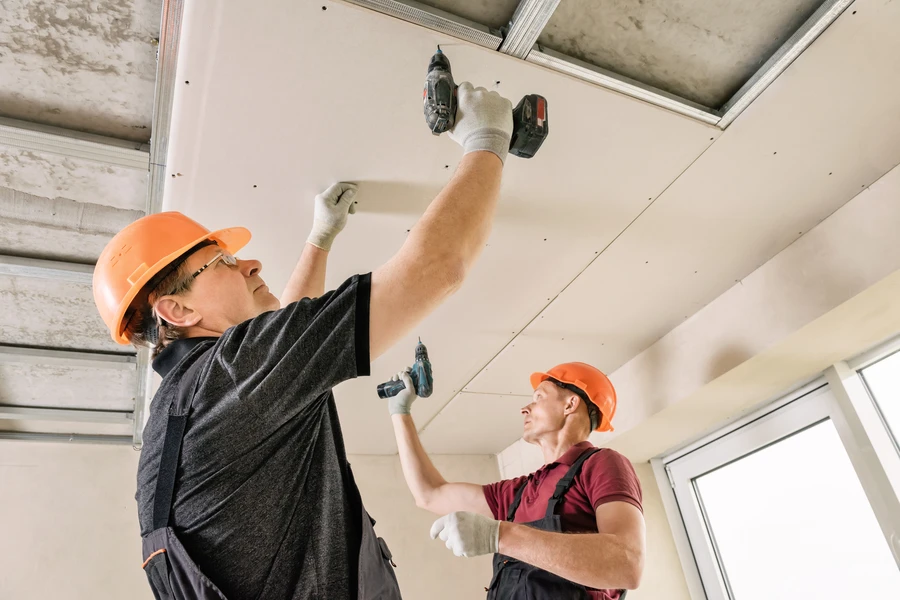
While minor repairs can be done at home, most homeowners prefer hiring experts for faster and cleaner results.
Professional drywall contractors handle:
- Crack repair
- Hole patching
- Ceiling damage
- Texture matching
- Full wall replacement
- Painting and finishing
👉 If you are in Minneapolis or surrounding areas, professional drywall repair services can save time and ensure high-quality results.
Related Topics You Should Explore
To better understand wall and ceiling systems, you may also want to read:
- Ceiling Repair Guide
- Knockdown Ceiling Texture Explained
- Drywall Installation Process
- Popcorn Ceiling Removal Guide
- Drywall Cost Breakdown
These topics help you understand both repair and renovation options for your home.
Final Thoughts
Drywall repair is more than just patching holes — it is about restoring the structure, appearance, and durability of your home’s interior walls.
Small damage can often be fixed easily, but larger issues require proper techniques, tools, and experience to ensure long-lasting results.
Whether you choose DIY or professional repair, understanding the process helps you make better decisions and avoid costly mistakes. At Home Drywall and Painting, experienced professionals can help ensure high-quality results that protect the appearance and durability of your walls.
Need Professional Drywall Repair?
If you want expert help with drywall repair, ceiling repair, or texture matching, professional contractors can ensure a smooth, flawless finish that blends perfectly with your home.
Call Us Now: (612) 816-5333