


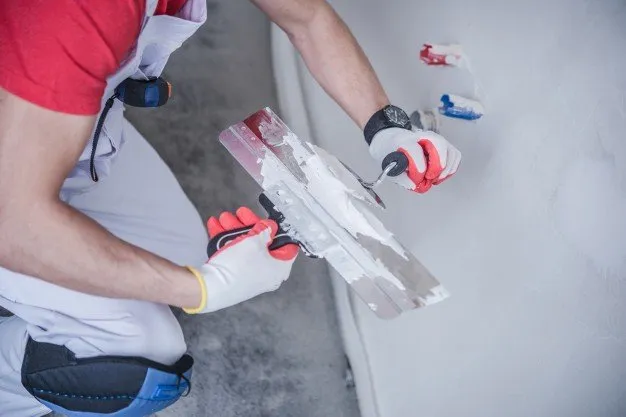
Cracks in drywall are a common issue in homes, and while many look small at first, they can gradually expand if not repaired properly. Understanding why drywall cracks, how to fix them correctly, and how to prevent them in the future is essential for maintaining strong and visually clean walls.
In this guide, we’ll cover everything you need to know about drywall cracks repair, including causes, step-by-step fixes, and long-term prevention strategies.
Why Drywall Cracks Happen
1. House Settling
One of the most common reasons is natural settling. Over time, buildings shift slightly as the foundation adjusts to soil and temperature changes.
✔ This often causes small hairline cracks near corners and ceilings.
2. Temperature and Humidity Changes
Drywall expands and contracts depending on moisture and temperature levels.
- Dry air → shrinkage
- Humid air → expansion
This movement can create visible cracking over time.
3. Poor Installation
Improper drywall installation can lead to weak joints.
Common mistakes include:
- Insufficient joint compound
- Poor taping
- Incorrect fastening
- Weak corner finishing
These often result in early cracking.
4. Structural Movement or Stress
Heavy loads, shifting beams, or structural pressure can cause deeper cracks that may reappear even after repair.
5. Water Damage
Leaks from plumbing or roofs weaken drywall, making it brittle and prone to cracking.
Types of Drywall Cracks
Understanding the type of crack helps determine the correct repair guide and method.
1. Hairline Cracks
- Very thin surface cracks
- Often caused by settling or paint stress
✔ Easy wall crack repair
2. Vertical or Horizontal Cracks
- Usually follow seams or joints
- Often caused by structural movement
✔ Requires taping and reinforcement
3. Corner Cracks
- Appear where two walls meet
- Common in older homes
✔ Needs corner bead repair or retaping
4. Deep Structural Cracks
- Wider and more visible
- May indicate serious movement or water damage
⚠ May require professional inspection
Step-by-Step Drywall Cracks Repair
Now let’s go through a proper method to repair cracks so they don’t return.
Step 1: Widen the Crack Slightly
Use a utility knife to gently open the crack a bit.
This may seem counterintuitive, but it:
- Removes loose debris
- Helps compound bond better
- Prevents future separation
Step 2: Clean the Area
Wipe away dust and loose particles using a dry cloth or brush.
A clean surface ensures stronger adhesion.
Step 3: Apply Joint Compound
Fill the crack with joint compound using a putty knife.
- Press firmly into the crack
- Smooth excess material
- Feather edges outward
This is the foundation of effective drywall cracks repair.
Step 4: Add Drywall Tape (Important Step)
For medium or long cracks, apply drywall tape over the compound.
Types of tape:
- Paper tape (stronger finish)
- Fiberglass mesh tape (easier for beginners)
This prevents the crack from reopening.
Step 5: Apply Second Coat
Once dry, apply another layer of joint compound over the tape.
- Extend slightly beyond the first layer
- Keep it smooth and even
Step 6: Sand the Surface
After drying completely:
- Use fine-grit sandpaper
- Smooth the repaired area
- Blend into surrounding wall
Step 7: Prime and Paint
Finish the repair by:
- Applying primer
- Matching paint color
- Blending edges carefully
This makes the repair invisible.
How to Prevent Drywall Cracks
Prevention is just as important as repair. Here’s how to reduce future cracking:
1. Control Humidity
Keep indoor humidity stable using:
- Dehumidifiers
- Proper ventilation
2. Use Quality Installation Methods
Ensure drywall is installed with:
- Proper taping
- Correct spacing
- Adequate fastening
3. Fix Water Leaks Quickly
Even small leaks can weaken drywall over time.
4. Avoid Structural Stress
Do not overload walls with heavy fixtures without proper support.
5. Use Flexible Paint or Primer
High-quality paint can reduce stress cracking on surfaces.
When Should You Be Concerned?
Not all cracks are harmless. You should take action if:
- Cracks keep returning after repair
- They grow larger over time
- You notice doors/windows misalignment
- Cracks appear in multiple areas
In such cases, professional inspection is recommended.
Final Thoughts
Proper wall crack repair not only improves appearance but also prevents long-term damage and costly repairs.