

Drywall finishing is the final step that determines whether your walls look smooth and professional or rough and unfinished. Even small errors during this stage can lead to visible seams, bumps, cracks, or an uneven drywall finish that shows through paint.
In this guide, we’ll break down the most common drywall finishing mistakes, why they happen, and how to avoid them for a flawless result.
Why Drywall Finishing Matters
Drywall finishing is not just cosmetic—it directly affects the durability and appearance of your walls.
Poor finishing can result in:
- Visible joints after painting
- Cracks reappearing
- Uneven wall texture
- Poor paint adhesion
- Weak wall seams
A smooth finish is what separates amateur work from professional-quality drywall.
1. Using Too Much Joint Compound
One of the most common drywall finishing mistakes is applying thick layers of mud.
Why it’s a problem:
- Takes longer to dry
- Creates visible ridges
- Leads to excessive sanding
- Can shrink and crack over time
How to avoid it:
✔ Apply thin layers
✔ Build up gradually (2–3 coats)
✔ Feather edges outward
2. Poor or Incorrect Drywall Taping
Bad taping is the #1 cause of visible seams and cracks.
Common issues:
- Air bubbles under tape
- Tape not fully embedded
- Wrinkled or misaligned tape
This leads to what professionals call bad drywall taping, which ruins the final finish.
How to avoid it:
✔ Press tape firmly into wet compound
✔ Use proper drywall joint tape (paper preferred)
✔ Smooth from center outward
✔ Remove excess mud underneath
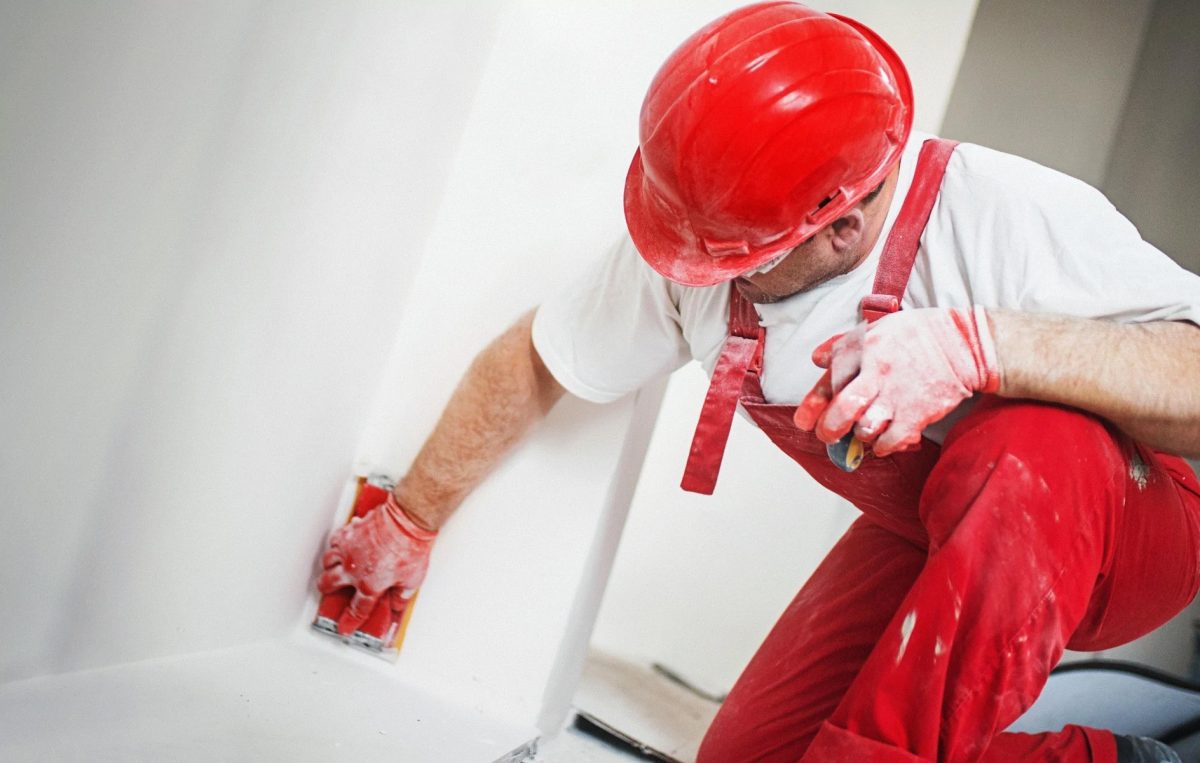
3. Skipping Sanding or Over-Sanding
Both extremes cause problems.
Skipping sanding:
- Leaves rough surfaces
- Makes seams visible under paint
Over-sanding:
- Destroys smooth finish
- Exposes tape
- Creates dips and uneven spots
How to avoid it:
✔ Use 120–220 grit sandpaper
✔ Sand lightly and evenly
✔ Stop when surface feels smooth to touch
4. Not Allowing Enough Drying Time
Rushing the process is a major cause of failure.
What happens:
- Mud shrinks unevenly
- Cracks form later
- Surface becomes unstable
How to avoid it:
✔ Let each coat dry fully
✔ Follow manufacturer drying time
✔ Avoid applying second coat too early
5. Uneven Feathering of Edges
Poor feathering creates visible lines after painting.
Result:
- Noticeable ridges
- Shadow lines under light
- Professional-looking finish is lost
This leads to an uneven drywall finish.
How to avoid it:
✔ Extend each coat wider than the last
✔ Gradually blend into wall surface
✔ Use larger knives for final coats
6. Ignoring Wall Lighting Conditions
Lighting reveals all mistakes.
Common issue:
- Walls look fine in normal light
- But defects show under side lighting
How to avoid it:
✔ Check walls using angled light
✔ Inspect from multiple directions
✔ Fix imperfections before painting
7. Poor Surface Preparation
Skipping prep work leads to weak adhesion.
Problems caused:
- Mud doesn’t stick properly
- Dust causes peeling
- Uneven bonding
How to avoid it:
✔ Clean surface before starting
✔ Remove dust and debris
✔ Ensure screws are properly sunk
8. Using Wrong Tools
Using improper tools leads to uneven results.
Examples:
- Small knife for large surfaces
- Cheap taping tools
- Dull sandpaper
How to avoid it:
✔ Use correct knife sizes (6”, 10”, 12”)
✔ Use quality joint compound tools
✔ Replace worn sandpaper regularly
Pro Tips for a Perfect Drywall Finish
✔ Always use thin layers instead of thick coats
✔ Feather edges wider than you think necessary
✔ Inspect under real lighting conditions
✔ Don’t rush drying time
✔ Sand lightly between coats
When to Call a Professional
You should consider professional help if:
- Multiple walls show finishing defects
- You notice repeated cracking after repair
- Large ceilings need finishing
- Texture matching is required
- DIY repairs keep failing
Professionals ensure a smooth, paint-ready surface without visible seams.
Final Thoughts
Avoiding drywall finishing mistakes is key to achieving a smooth, professional wall surface. At Home Drywall and Painting, we know that most issues like bad drywall taping or an uneven drywall finish come from rushing the process or skipping proper technique.
With the right steps—thin coats, proper sanding, correct taping, and patience—you can achieve walls that look flawless and ready for paint.
Read More: Complete Guide to Drywall Repair